Kathmandu
Area : 140,800 sq. kms
Main Languages : Nepalese
Population : 622,618
Location
: Kathmandu, the capital city of Nepal, is situated at a height of 1300
metres above sea level.
Climate : Due to its high altitude location, Kathmandu enjoys a pleasant climate. Summer temperatures (May to September) range between 19-27°C, and in winter (October to February) temperatures range from 2 to 20°C. May and June can be very hot and humid until the monsoon rains bring relief from the end of June up to mid-September. Winters are chilly, especially in the higher areas.
Best Time to Visit : Best time to visit Kathmandu is from February to April, as the days being mildly warm and nights being cool.
Main Languages : Nepalese
Population : 622,618
Location
: Kathmandu, the capital city of Nepal, is situated at a height of 1300
metres above sea level. Climate : Due to its high altitude location, Kathmandu enjoys a pleasant climate. Summer temperatures (May to September) range between 19-27°C, and in winter (October to February) temperatures range from 2 to 20°C. May and June can be very hot and humid until the monsoon rains bring relief from the end of June up to mid-September. Winters are chilly, especially in the higher areas.
Best Time to Visit : Best time to visit Kathmandu is from February to April, as the days being mildly warm and nights being cool.
Kathmandu - Scenic, Soothing & Sanctified
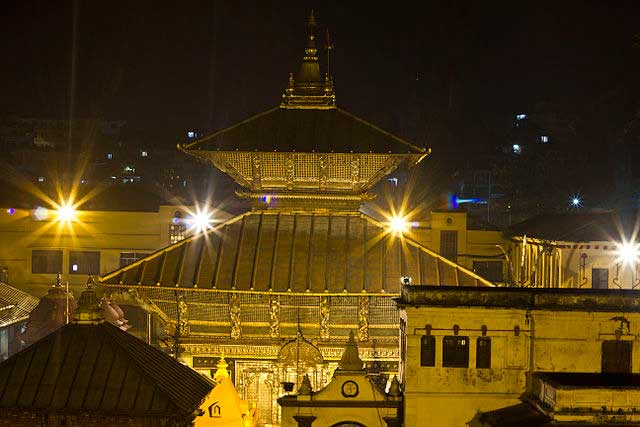
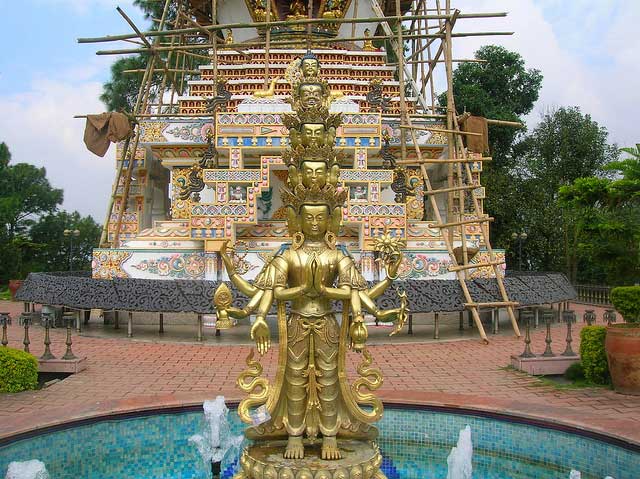
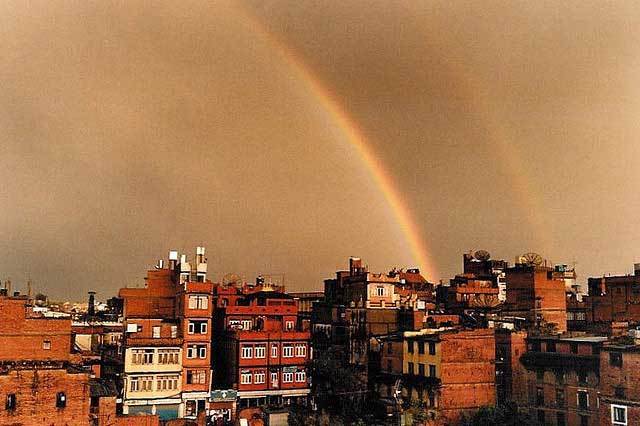
Kathmandu, the capital of the kingdom of Nepal, is situated amidst a picturesque valley. The valley is poignant and is flanked by green mountain walls, above which are majestic snow-capped mountain peaks. The towering peaks of mighty Himalaya are visible from several points on the mountains around the Kathmandu valley. The city is surrounded by several beautiful and interesting villages, which offer plenty of opportunities for trekking and picnics. The Kathmandu valley consists of three main towns namely, Kathmandu, Patan and Bhaktapur. World's only Hindu kingdom, Kathmandu is renowned for housing several shrines dedicated to Vishnu (The Preserver), Shiva (The Destroyer) and Goddess Durga (the goddess of Power). Apart from shrines, the city is home to a number of famous sites, ancient temples, golden pagodas and inspiring deities. Known for its historic, artistic and cultural significance, the city always offers something of interest for tourists. While exploring the city one can find a small temple or a Sadhu in bright saffron robes meditating or a Tibetan monk spinning his prayer wheel.
Major Attractions
Kasthamandap
Temple : The most important temple in Kathmandu, Kasthamandap temple is
dedicated to the patron saint of the ruling Shahs. Perhaps the oldest
structure in the area, the Kasthamandap temple was built by King Laxmi
Narsingha Malla in the beginning of the 16th century A.D. A beautiful wooden
pergola erected from the wood of a single tree covers the shrine of this
temple, from which the city of Kathmandu is said to have derived its name.
Machchhendrananth Temple : Dedicated to Sweta Machchhendra Bahal, the temple lies between the Indra Chowk and Asan. Also called as "Janmadyo" or "Machchhendra" deity, the temple is famous for its artistic beauty.
Kumari Palace (Kumar Ghar) : The Kumari Palace, is the place where the Kumari- Nepal's resident goddess lives. A girl regarded as the Goddess Kali's incarnation is chosen and she lives here thereafter. The palace has carved wooden balconies and window screens, the Kumari acknowledges the greeting from her balcony window.
Bhadrakali Temple : One of the main "Shakta" temples of Kathmandu, the Bhardakali temple is located close to the Shahid gate. The temple of goddess Bhadrakali is also known as Lumarhi temple.
National Museum : Situated two and half kms west of Kathmandu, the museum has a huge collection of weapons, artifacts from ancient, medieval and modern Nepal. The National Museum provides a good idea about Nepal's rich history. The museum is open on all weekdays except Tuesday and Government holidays.
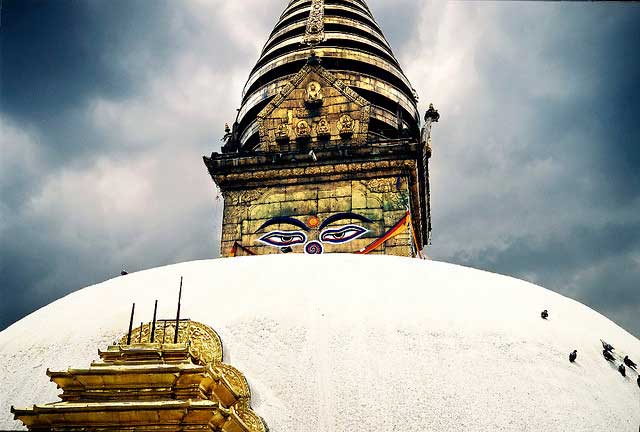
Natural History Museum : The museum is situated 3 kms west of Kathmandu city, behind the Swayambhunath hillock. The museum displays butterflies, fish, reptiles, birds, mammals, plants and a variety of fossils.
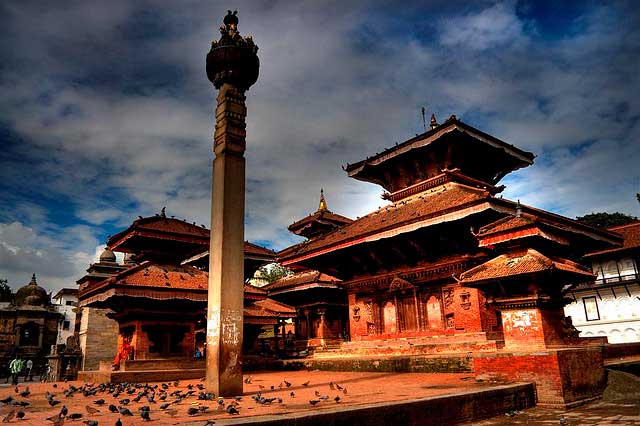
Durbar Square : For most of the people, Kathmandu means the Durbar Square, around which the life of city buzzes. Located between the river and Kantipath road, the city's busiest road, Durbar Square houses the old Royal Palace.
Excursions
Bouddhnath
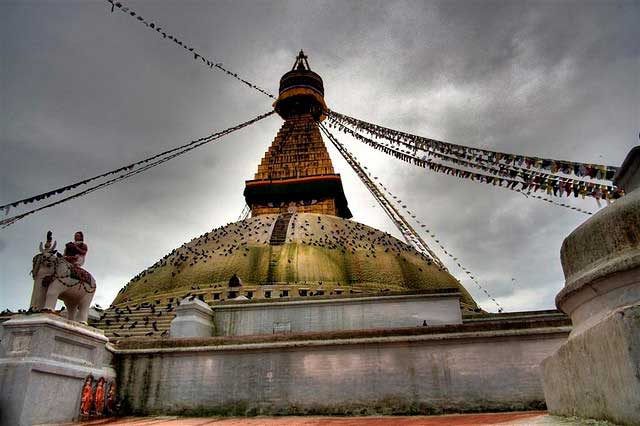
Stupa : Situated just 8 kms east of Kathmandu, the stupa of Bouddhnath
is one of the biggest in the world. The colossal and ancient stupa, is the
most famous of the Buddhist stupas in Kathmandu city.
Chobhar : Located 9 kms southwest of Kathmandu, Chobhar is known for its gorge, where all the water of the valley drains through. A small temple of Adinath is situated atop a nearby hill. The temple offers a breathtaking view of snow capped mountains.
How To Reach
By Air : Kathmandu Airport is connected by regular flights with New Delhi, Mumbai, Varanasi and Kolkata.
By Rail : There is no rail link between India and Kathmandu.
By Road : There are several land routes that tourists may take from India to reach Kathmandu. From Gorakhpur there are many modes of road transport to reach Kathmandu.
Kathmandu, the capital of the kingdom of Nepal, is situated amidst a picturesque valley. The valley is poignant and is flanked by green mountain walls, above which are majestic snow-capped mountain peaks. The towering peaks of mighty Himalaya are visible from several points on the mountains around the Kathmandu valley. The city is surrounded by several beautiful and interesting villages, which offer plenty of opportunities for trekking and picnics. The Kathmandu valley consists of three main towns namely, Kathmandu, Patan and Bhaktapur. World's only Hindu kingdom, Kathmandu is renowned for housing several shrines dedicated to Vishnu (The Preserver), Shiva (The Destroyer) and Goddess Durga (the goddess of Power). Apart from shrines, the city is home to a number of famous sites, ancient temples, golden pagodas and inspiring deities. Known for its historic, artistic and cultural significance, the city always offers something of interest for tourists. While exploring the city one can find a small temple or a Sadhu in bright saffron robes meditating or a Tibetan monk spinning his prayer wheel.
Major Attractions
Kasthamandap
Temple : The most important temple in Kathmandu, Kasthamandap temple is
dedicated to the patron saint of the ruling Shahs. Perhaps the oldest
structure in the area, the Kasthamandap temple was built by King Laxmi
Narsingha Malla in the beginning of the 16th century A.D. A beautiful wooden
pergola erected from the wood of a single tree covers the shrine of this
temple, from which the city of Kathmandu is said to have derived its name. Machchhendrananth Temple : Dedicated to Sweta Machchhendra Bahal, the temple lies between the Indra Chowk and Asan. Also called as "Janmadyo" or "Machchhendra" deity, the temple is famous for its artistic beauty.
Kumari Palace (Kumar Ghar) : The Kumari Palace, is the place where the Kumari- Nepal's resident goddess lives. A girl regarded as the Goddess Kali's incarnation is chosen and she lives here thereafter. The palace has carved wooden balconies and window screens, the Kumari acknowledges the greeting from her balcony window.
Bhadrakali Temple : One of the main "Shakta" temples of Kathmandu, the Bhardakali temple is located close to the Shahid gate. The temple of goddess Bhadrakali is also known as Lumarhi temple.
National Museum : Situated two and half kms west of Kathmandu, the museum has a huge collection of weapons, artifacts from ancient, medieval and modern Nepal. The National Museum provides a good idea about Nepal's rich history. The museum is open on all weekdays except Tuesday and Government holidays.
Natural History Museum : The museum is situated 3 kms west of Kathmandu city, behind the Swayambhunath hillock. The museum displays butterflies, fish, reptiles, birds, mammals, plants and a variety of fossils.
Durbar Square : For most of the people, Kathmandu means the Durbar Square, around which the life of city buzzes. Located between the river and Kantipath road, the city's busiest road, Durbar Square houses the old Royal Palace.
Excursions
Bouddhnath
Stupa : Situated just 8 kms east of Kathmandu, the stupa of Bouddhnath
is one of the biggest in the world. The colossal and ancient stupa, is the
most famous of the Buddhist stupas in Kathmandu city.Chobhar : Located 9 kms southwest of Kathmandu, Chobhar is known for its gorge, where all the water of the valley drains through. A small temple of Adinath is situated atop a nearby hill. The temple offers a breathtaking view of snow capped mountains.
How To Reach
By Air : Kathmandu Airport is connected by regular flights with New Delhi, Mumbai, Varanasi and Kolkata.
By Rail : There is no rail link between India and Kathmandu.
By Road : There are several land routes that tourists may take from India to reach Kathmandu. From Gorakhpur there are many modes of road transport to reach Kathmandu.